Wednesday, May 9, 2018

These Teachers Went On Strike. Now They’re Running For Elected Office.

Frustrated by the deals that ended walkouts in Oklahoma, Kentucky, and Arizona, educators want to replace the lawmakers who made them.
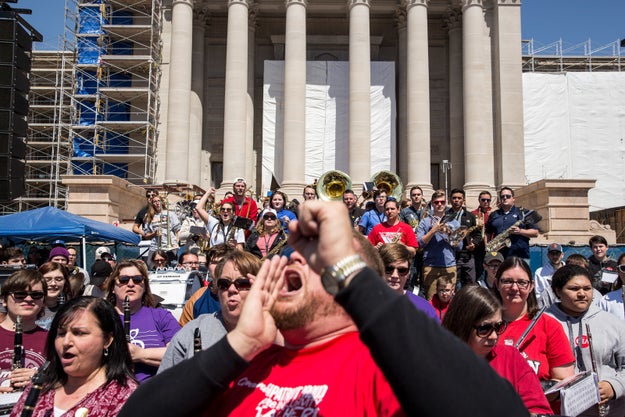
Scott Heins / Getty Images

Most have no political experience. They lack name recognition and fundraising bona-fides. Some are not even on the ballot, having missed filing deadlines, instead waging write-in campaigns. They’re the longest of shots.

But in upcoming elections in Oklahoma, Arizona, and Kentucky — all red states where school staff have walked out in recent months over austerity funding — teachers are running for office.

They say they’re determined to not only vote out the superintendents, representatives, and senators who did not support their walkouts, but to fill state governments with educators who know firsthand what more money can do for a classroom.

The educators share outsider status, dissatisfaction with the legislative process, and a sense of being short-changed as public employees.

Take Craig Hoxie, who has been a science teacher rural Oklahoma’s public school systems for 19 years. He thought he’d spend the last third of his career with his head down, “quietly teaching.”

Instead, this month, he became one of hundreds of educators who walked more than 100 miles from Tulsa to Oklahoma City to protest cuts to teacher pay and classroom funding.

Hoxie took part in the march during a state-wide strike that ultimately led to a mixed bag for educators: they got raises and promises of increased education revenue, but not reliable explanations of where the money would come from in the future, or for how long.

And a proposed ballot initiative could undo some of those promises come November.

So now, along with dozens of other teachers, Hoxie filed to put his name on a ballot.

“Even though we haven’t been able to pass the legislation we need to, we did start a movement of people who realize the only way to change this is to get involved in the political process,” he told BuzzFeed News.

Here is his story, along with five other teachers running for office:

Craig Hoxie
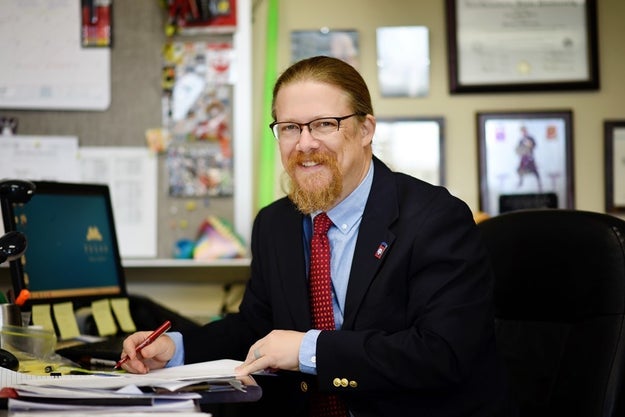
Craig Hoxie

Craig Hoxie / Via hoxie4oklahoma.com

Name: Craig Hoxie

State: Oklahoma

Career: 19 years in education. Currently a science teacher at Booker T. Washington High

Running for: State Representative, District 23

Political affiliation: Democrat

Reason for walking out: “I decided to take part in the walkout for three reasons: Number one, the young teachers who work at those beginning salary levels. They get paid ridiculously low wages. I don’t understand why anyone under 35 would want to start a career in Oklahoma, when you could step across to Texas and make so much more money.

Number two, support staff and state workers have not received raises in forever. When you look at inflation versus what we’re paid, we’re all making less than we were 10 or 15 years ago. Prices have gone up and our wages haven’t.

Three: I teach science. I haven’t had a budget to buy supplies for my classroom since 2003, and even then it was $100 for a chemistry class. That doesn’t buy anything. I’m tired of asking parents for gift cards and begging for supplies from the local university.

I want whoever is in these classrooms to be able to buy the materials they need without dipping into their own pockets.”

Reason for running for office: “I participated in the march from Tulsa to Oklahoma City, walking 110 miles with a bunch of other teachers. As we were walking, we were talking about what really needs to change. We saw that 70 percent of these legislators have been running unopposed. So we started to say, ‘We need to find people to run against them.’

I contacted the state and county party and said, ‘Who have you got to run against the guy in our district?’ They came back and said, ‘Thank you for volunteering to run.’ I said, ‘I didn’t say that.’

I met my representative and sat down and spoke with him for a few minutes. At the end of that conversation, I understood that I would have to be that person. At the same time, another teacher in Tulsa was making the same decision. So I have a primary against another teacher in Tulsa. But that’s great, because that’s democracy.”

Fundraising and obstacles: “It’s going to be an uphill battle. The Democrat who did the best in our district only [received] 41.5 percent of the vote. I’m going to have to work really hard to galvanize Democratic voters, to let them know they need to get to the polls. I need to capture independent voters and moderate Republicans.

I don’t think that the incumbent is a bad person. But I don’t think he’s very available to the voters.

I’ve been receiving the majority of my financial support from currently active teachers. The unions will probably not make their decision — we have associations, not really unions, since we don’t have the power to strike — the associations will become more involved once the primary is over, especially because I’m running against another teacher.”

Kathy Hoffman
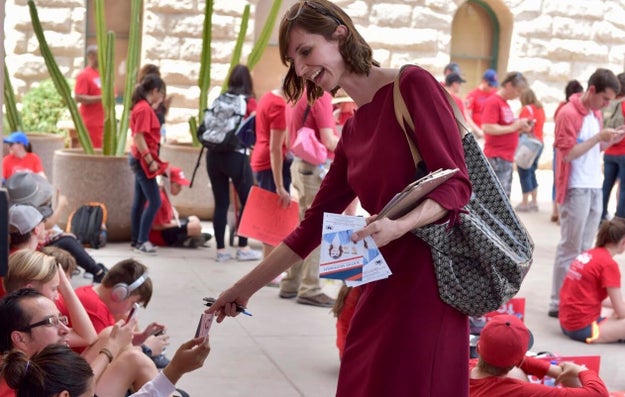
Kathy Hoffman

Kathy Hoffman / Via Kathy Hoffman

State: Arizona

Career: Six years in education. Currently a speech therapist at the Peoria Unified School District

Running for: State Superintendent

Political affiliation: Democrat

Reason for walking out: “I want to see better teacher pay and more funding for our schools.”

Reason for running for office: “Education policy is decided at the level of the legislature — our budget, our pay, our policies. All the teachers have realized it’s not enough to just call your legislator. We needed to walk out, and we need to vote them out.

A stronger union would help, but what I see as the bigger issue is that we have a Republican-dominated legislature and government, and I see their policies holding us back.

My running for office was also prompted by Betsy DeVos’s confirmation hearing.”

Fundraising and obstacles: “I’m running as a ‘clean elections’ candidate. So is my opponent. So we’re only taking small donations from individual donors — no lobbyists, Super PACs, or corporations. The state funds our campaigns with $100,000 for the primary and $100,000 for general. On top of that, I’ve raised $40,000 on my own.

The biggest obstacle is getting my name out there because I’m a first time candidate. I’m at the festivals and rallies and marches trying to talk to as many people as I can. I have no name recognition.”

Christine Porter Marsh

Christine Porter Marsh

Christine Porter Marsh / Via Christine Porter Marsh

State: Arizona

Career: Twenty-six years in education. Currently teachers junior English at Cactus Shadows High

Running for: State Senate, District 28

Political affiliation: Democrat

Reason for walking out: “I think to me the most troubling issue is the large class sizes, low teacher pay being closely on its heels.

Even if we were to reduce class sizes, which we desperately need to do, we don’t pay teachers enough to attract and retain enough of them for those new, smaller classes. We need to create an environment where students feel valued, and it’s almost impossible to do that when you have 38 or 40 kids in a class. ”

Reason for running for office: “I wasn’t necessarily planning on being one of the teachers who ran. As it turns out, I was approached to run and said yes.

I’ve been inspired by the teachers who were down at the capitol every day. We now have so many teachers who have not only been at the capitol who have never been there before — but who have been in the Senate and House galleries, inside the rotunda, filling out requests to speak.

One of my former students, who is now a teacher, who has been a teacher for five years, — he spoke before the house appropriations committee about funding. He only got a minute — they were timing them, because there were so many people. The line to get in to the House and Senate was hundreds deep. ”

Obstacles: “I don’t think I fully appreciated how draining, tiring, it would be. But I knew the time commitment of running was going to be extreme — I was braced for that.”

Nicole Britton

Nicole Britton

Nicole Britton / Via Nicole Britton

State: Kentucky

Career: Thirteenth year. Currently teaches students with moderate to severe disabilities and autism

Running for: State Senate District 16

Political affiliation: Democrat

“I was a Republican when I first started out, but I changed my party after I spent some time in the classroom — after I experienced and witnessed some of the things that students faced — because of the color of their skin, their gender, their ability."

Reason for walking out: “It was everything — it was the pension issue; it was that our legislators failed to find revenue before they started adjusting the budget, to the point where it would affect children and older people and people with disabilities. But mainly, the pension benefit for future teachers.

Many states are also experiencing a teaching shortage. The pension had always been a bargaining chip. When I told people this was what I was going to do for a living, they would say, “That will be a good job, you’ll have a good pension.” But how will we attract teachers when the wages are low and the retirement is not what it should be?

West Virginia has really raised this conversation around the nation. Some time ago, we decided people who teach or work in public service should do what they do just because they feel good about it. Well, we have bills to pay, and you choose a career in part for the benefits, and we don’t want to apologize for that.”

Reason for running:
“The party that is in power right now, largely, in Kentucky is not supportive of any type of union work or any type of collective bargaining. They support right-to-work laws, so that erodes away at its base anything that could help us advocate in another direction. So we had to make the decision to become involved in the legislative process.”

Fundraising and obstacles: “I did not turn in my intention run before the cut-off date to get on the ballot as a Democrat, but there have been write-in’s who have won before. Of fifty-odd educators running, 10-15 candidates in Kentucky are write-in’s.

Are we gonna run a campaign with glossy signs and unlimited TV ads and corrugated cardboard? No. But that’s okay, we don’t need to. I will not be doing the bidding of any organization that does not have the best interests of people at heart because I don’t have to.

The fund-raising is going slow. If you have any tactful ways to ask people for money, I could use them. I need ways to ask people — ‘will you write my name in,’ ‘will you put my sign in your yard,’ and also, ‘give me all your money.’

I don’t plan on being a career politician. I do have a little girl who who is seeing her mama run. I hope she will follow in my footsteps and grow up to be a strong female voice in the political arena. It’s more about that principle and instilling these values in our children.”

Mona Hampton-Eldridge

Mona Hampton-Eldridge

Mona Hampton-Eldridge / Via Mona Hampton-Eldridge

State: Kentucky

Career: Seventeen years in education. Currently an 8th grade Language Arts teacher at Northern Middle School

Running for: State Representative, District 85

Affiliation: Democrat

Reason for walking out: “When the pension issue started happening, we all kind of laid low and listened to what was going on. We tried not to have a reaction at first, but when we saw we needed to take action, we organized a 'walk-in,' instead of a walkout. We decided to do a walk-in because we’re there first for our students.

We vote these people into office, our legislators, and we put our trust in them. And they let us down. Unless you’re aware of what’s going on, no one is going to go knocking on their door.

They’re trying to defund our schools. We live in a rural area, and we can’t go without funding. We have probably a 70 percent free and reduced lunch rate in our school district. They’re just not as well off as some of the city schools are. We are in the country. We live in one of the biggest counties in Kentucky, so there’s a lot of roadway. Some of them ride a bus for an hour a day, just to get to school, on country roads.”

Reason for running: “I went to a meeting and we were all talking, saying somebody needs to run. I’ve always helped my students with the mock junior assembly. We have a 'youth in government' club here called the Y club, and I’d been a sponsor on and off since 2002. I helped students develop and write bills in the Kentucky youth assembly. I never dreamt I would be doing it myself.

I think Kentucky becoming a 'right-to-work' state has put a damper on collective bargaining. I don’t think there’s enough power there for us."

Fundraising and obstacles: “I do have an ActBlue account where people have contributed. I know collecting funds will be a challenge, but every day I am making more contact with people who are helping.”

Lydia Coffey

Lydia Coffey

Lydia Coffey / Via Lydia Coffey

State: Kentucky

Running for: State Representative, District 54

Career: Retired after 27 years. Currently a substitute teacher three days a week

Political affiliation: Democrat

“I grew up in a household where my mom was a Republican and my dad was a Democrat. So there was always someone to debate.”

Reason for walking out: “In many ways the attack in Kentucky was more on retired teachers than the regular classroom teachers, because it’s their pensions. But the governor’s whole plan has hurt education in Kentucky. Many schools are going to have to cut back their staff because they won’t have money coming in.”

Reason for running: “David Allen, a man that was at one time president of the Kentucky Educators Association, decided he was going to make it his goal to get, maybe, 10 educators to run for office this year. There’s no one there [at the statehouse] who understands schools, the plight of teachers, the whole situation. Everyone thinks they know what it would be like to be a teacher, but until they’ve taught in our classrooms they really don’t. His goal was to get 10 people. When it was all said and done there were at least 45 of us.”

Fundraising and obstacles: “I have a niece that’s creating my web page. I was giving her time — she was graduating from college — to let her get through her finals. My daughter is going to work with her and get that up and running.

There are lots of volunteers, teachers especially, who want to help me canvass door to door and do other things for me.

There’s no way I’m going to raise $170,000 dollars. [The amount she says her opponent has raised so far.] I’ll be going door to door. I’ll be honest with you. I never made $50,000. I didn’t make it to that before I retired.

Thumbnail images from Matt York/AP; and Kathy Hoffman


Source BuzzFeed - Politics https://ift.tt/2wtlKOb

Ohio's Republican Candidate For Governor Knows His Primary Didn't Go Exactly To Plan

Ohio Attorney General Mike DeWine

Chip Somodevilla / Getty Images

Mike DeWine crushed Mary Taylor in Ohio’s Republican primary for governor Tuesday — but only after spending heavily on attack ads and being forced further to the right than he would have liked to go in a race where he always was the frontrunner.

Taylor, the lieutenant governor, pushed DeWine, the state’s attorney general, on issues such as abortion and immigration. And they argued over who was more loyal to President Trump, especially following term-limited Gov. John Kasich’s unsuccessful White House bid.

“I told her she had run a very hard campaign — and boy, she did,” said DeWine, drawing laughs from the crowd as he addressed supporters at a Columbus restaurant. “Boy, she did.”

The nasty tone, sharp right-wing turn, and high spending in the Republican primary has Democrats encouraged about the prospects of winning back the governor’s office in the fall.

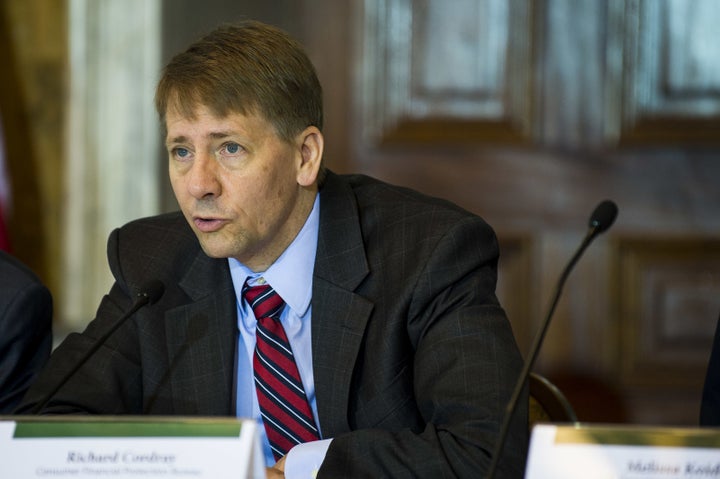
“I congratulate Mike DeWine tonight for winning one of the ugliest campaigns I have ever seen,” Democratic gubernatorial nominee Richard Cordray, the former chief of the US Consumer Financial Protection Bureau, said during his victory speech at a nearby hotel.

Taylor and DeWine each had spent about $5 million on the primary as of late April — much of it on hard-hitting television ads.

DeWine, who has a history of strong name-recognition and favorability ratings in Ohio, acknowledges that Taylor knocked him off script.

“We didn’t do anything in the campaign or say anything that we didn’t believe,” he told BuzzFeed News in an interview as the crowd at his primary night party began to thin. “We may have emphasized some things more than you might have with a different opponent, I guess.”

DeWine chuckled ruefully when asked if he was disappointed in the campaign’s tone.

“Well, it is what it is,” DeWine said. “I can’t change what it is. You run the race that is in front of you. … We only went negative after Mary had gone negative. You do what you have to do in a campaign, and what my experience has been, you can’t let the other side just pound you day after day, or you’re gonna lose. So we did what we had to do. Look, I think if you go back a year and if you would say to me at that point that you would have won election night tonight, 60-40, and you would have [one-time primary rival] Jon Husted on your ticket, I would take it in a heartbeat. So you gotta look at it from that perspective, or at least I do. I’m very happy.”

DeWine described Taylor’s concession call as gracious. In her remarks, she urged party unity and told her supporters that beating Cordray will “require all of us in this room.”

In an interview Tuesday night, Ohio Democratic Party Chairman David Pepper said the state party’s internal polling had showed Cordray pulling ahead of DeWine in fall matchups.

Republicans, however, are encouraged by lower Democratic turnout, despite a race between Cordray and Dennis Kucinich, a former Cleveland mayor and lawmaker, that commanded just as much if not more attention in local and national media. According to unofficial returns at the Ohio secretary of state’s office, about 827,000 Republicans cast ballots in their two-way primary for governor; about 680,000 voted in the six-candidate Democratic primary.

Despite being frontrunners, DeWine and Cordray both were pegged as the “boring” candidates in their primaries. And both believe they can appeal to crossover voters. Cordray’s team is hoping to win over Kasich Republicans who are worried about the party’s drift toward far-right populism. DeWine, who has never been an overt Trump cheerleader, knows he has to unite the Republican base, but he also believes he can appeal to Democrats who find him higher energy and less partisan than Cordray, who is supported by prominent liberals such as Sen. Elizabeth Warren of Massachusetts.

“I tried tonight to start this, specifically to reach out to Democrats and talk to Democrats and talk to independents and talk to first-time voters, and there’s a reason that I did that,” DeWine told BuzzFeed News. “If you’re governor, you’ve got to be governor for the whole state. I think gubernatorial issues many times are less partisan than issues in Congress or even legislative issues. … It’s who the people have faith in, who they have confidence in, who has the experience, who has the drive, the energy, the passion to get in there and shake things up.”

As for Trump, who won Ohio by eight points in 2016 but never indicated a preference for governor during the primary, he came out strong for DeWine in a Wednesday morning tweet.

LINK: Richard Cordray Just Won Ohio’s Democratic Primary. His Party Thinks Trump Will Help Make Him Governor.

LINK: Channeling Donald Trump Didn’t Work In Ohio’s 16th Congressional District


Source BuzzFeed - Politics https://ift.tt/2FZQ82d

NBC's Internal Report Finds "No Evidence" That Management Knew About Matt Lauer's Behavior

Michael Loccisano / Getty Images

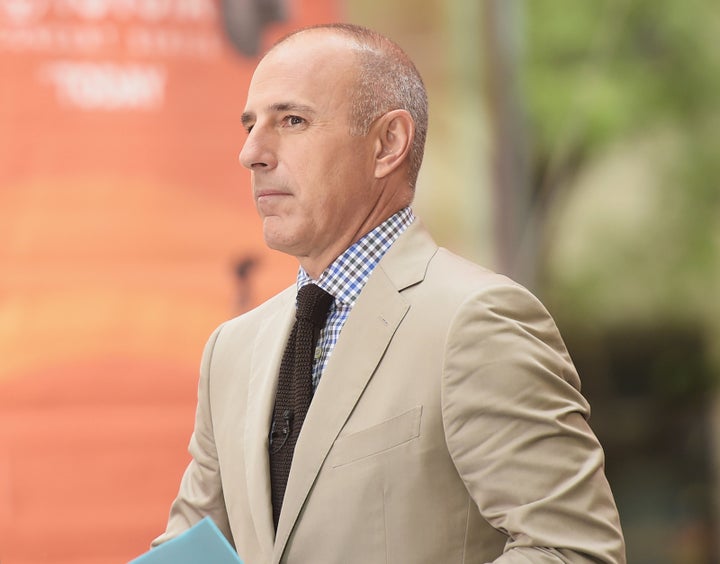
An internal investigation at NBCUniversal found "no evidence" that company management knew of inappropriate workplace behavior by former starToday host Matt Lauer until late November, according to a report released Wednesday.

The investigation, led by NBCU general counsel Kim Harris, "found credible" allegations from four complainants against Lauer. But investigators, who interviewed about 70 people for the report, also found credible statements from members of leadership at Today and NBC News that they did not know about his behavior.

According to the report, within two weeks of Lauer's termination following one complainant coming forward, the company received information from three additional women "who each alleged that Lauer had engaged in inappropriate sexual behavior in the workplace with them in 2000, 2001, and 2007, respectively."

The four women "confirmed that they did not tell their direct manager or anyone else in a position of authority about their sexual encounters with Lauer," according to the report. But years prior to her sexual encounter with Lauer, one of the women "contemporaneously told that manager about an inappropriate interaction with Lauer where he placed his hand on her thigh and made a sexually suggestive comment." That complainant said her manager inquired about her well-being and they both agreed she would not be assigned to travel with Lauer for a time, according to the report.

Lauer has acknowledged he acted inappropriately but has denied allegations of "coercive, aggressive, or abusive actions."

The investigation comes during a trying time for NBC News, which has been scrambling in the wake of a series of scandals, including decades-old allegations of unwanted sexual advances against former anchor Tom Brokaw (which he has denied).

Investigators for the Lauer probe asked witnesses whether they had concerns about inappropriate behavior by other employees at the company. "Most of the concerns already had been reported, investigated and addressed through disciplinary action where warranted," according to the report. "The remainder that were not previously known involved allegations of conduct less egregious than that pertaining to Lauer, and they are being investigated and addressed in a manner consistent with company policies and procedures."

The report concluded that "the investigation team does not believe that there is a
widespread or systemic pattern of behavior that violates company policy or a culture of harassment in the news division."

In an email to employees, NBC News Chairman Andy Lack wrote, "Like many of you, I am immensely proud of NBC News, its history, and the work we do. But – stepping back from the investigation – that history also includes a time when people were not comfortable coming forward to voice complaints about repugnant behavior. That is not acceptable." Lack said that the company has "begun to turn the page to establish a safer and more respectful environment. That requires strong, specific steps in a sustained manner to transform the culture."

Rumors have swirled for years in media circles and the tabloid press about Lauer's personal life, and his swift ouster last year has raised questions about who at NBC knew what — and when. NBC has faced criticism that conducting the review itself is a conflict of interest. The company has said it consulted with outside law firms. (NBCUniversal is an investor in BuzzFeed.)

The report also follows a recent Washington Post investigation that raised questions about a culture of sexual harassment at NBC News. Former Today host Ann Curry told the Post that she had told two members of NBC's management team after a female employee had told her she was "sexually harassed physically" by Lauer. “I told management they had a problem and they needed to keep an eye on him and how he deals with women,” Curry told the Post.

According to the internal report, Curry confirmed that she did not tell management that she had received a "specific complaint."

"Curry declined to share with the investigation team the identity of anyone in management with whom she spoke at the time or the identity of the woman who came to her with a complaint about Lauer," according to the report. "The members of NBC News and Today Show leadership at the time with whom we spoke denied having any such conversation with Curry."

LINK: Tom Brokaw Has Been Accused Of Trying To Forcibly Kiss A Younger NBC Colleague

LINK: Matt Lauer Says He's "Embarrassed And Ashamed" In His First Statement Since Being Fired From NBC News


Source BuzzFeed - Politics https://ift.tt/2I7CdJl

Tuesday, May 8, 2018

The Top 6 Primaries To Watch On Tuesday

Spencer Platt / Getty Images

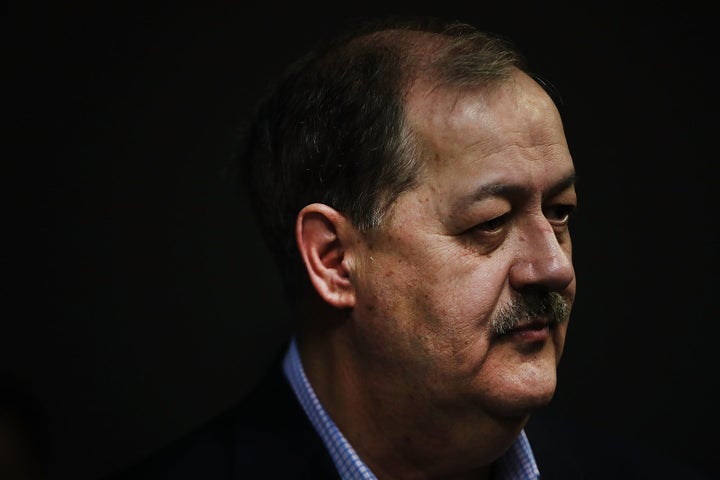
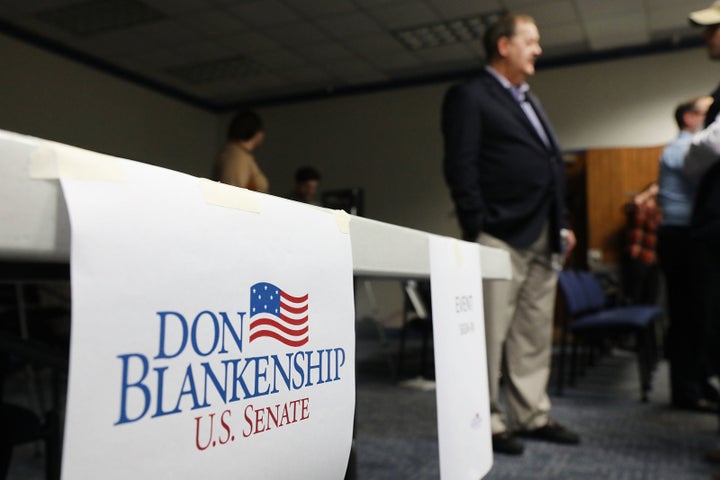
On Tuesday, West Virginia Republicans will decide if they're going to nominate Don Blankenship — the ex-con coal baron who's garnered national attention the last week by attacking Mitch McConnell's family with a racist remark.

But voters in three other states (Ohio, Indiana, and North Carolina) will also select nominees on Tuesday, in a series of key contests about the future of both parties.

BuzzFeed News will be covering returns live tonight at 7 p.m. ET. We'll be focused especially on West Virginia and on Ohio's gubernatorial primary, but there are a number of interesting races to watch.

1. West Virginia's Republican Senate primary

1. West Virginia's Republican Senate primary

Spencer Platt / Getty Images

Sen. Joe Manchin is one of the most vulnerable Democrats in the country — representing a state that President Trump decisively won in 2016. Blankenship, known for his management of a coal company that oversaw a mine accident that left 29 dead, has campaigned harshly against Senate Majority Leader Mitch McConnell, referring to him as "Cocaine Mitch" in an ad, and arguing that he works on behalf of "Chinapeople." Republicans desperately want one of the other candidates – Rep. Evan Jenkins and state attorney general Patrick Morrisey — to prevail, but the split field and Blankenship's notoriety resemble other races, like last year's Alabama Senate primary, where a nationally unpalatable candidate like Blankenship can win.

Winner: TBD

2. Ohio's Democratic gubernatorial primary

2. Ohio's Democratic gubernatorial primary

Rich Cordray

Pete Marovich / Getty Images

Democrats think they can win back the Ohio governor's seat in November — if they have the right candidate. Through the state's unexpectedly tough governor's primary in the state between former CFPB head Richard Cordray and former presidential candidate Dennis Kucinich, Democrats have been sorting out exactly how progressive the party's nominee should be. Is it enough to be a economic progressive, championed by Sen. Elizabeth Warren and many of the state's unions, as Cordray is? Or does the party want a more stylistically populist candidate, who's particularly liberal on guns, and backed by the anti-establishment leftier groups, as Kucinich is?

Winner: TBD

3. Indiana's Republican Senate primary

3. Indiana's Republican Senate primary

Nicholas Kamm / AFP / Getty Images

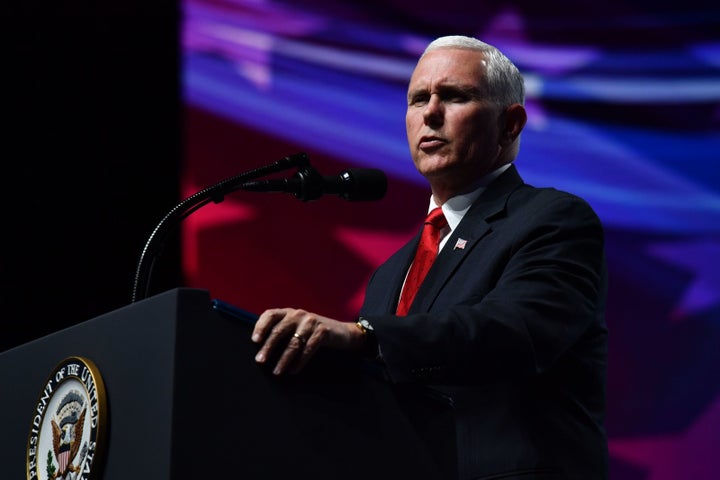
Like Manchin, Republicans think they could beat Democratic Sen. Joe Donnelly in November. Indiana, too, decisively voted for Trump, and although Vice President Mike Pence was not particularly popular when he left the governorship in the state, it is his home state. Because Trump and Pence have stayed out of the Senate primary, and Republicans generally feel comfortable with any of the candidates — Luke Messer, Todd Rokita, and Mike Braun — the race has become paradoxically nasty as each of them tries to out pro-Trump each other. The race offers a good look at how Midwestern Republicans are positioning themselves relative to Trump, and ultimately, how that will work in November.

Winner: TBD

4. Ohio's 16th District Republican primary

4. Ohio's 16th District Republican primary

BuzzFeed News

Ohio's 16th Congressional District — an open seat — features two young Republican candidates squaring off with completely different approaches. Christina Hagan has run as a very pro-Second Amendment, pro-Trump Republican, likely to become part of the Freedom Caucus. Anthony Gonzalez, a former Ohio State football player with an impressive academic background, has run as a fiscal conservative who cites ideological conservative and Trump critic Sen. Ben Sasse as an inspiration. What works better in the age of Trump?

Winner: TBD

5. North Carolina's 3rd District Republican primary

5. North Carolina's 3rd District Republican primary

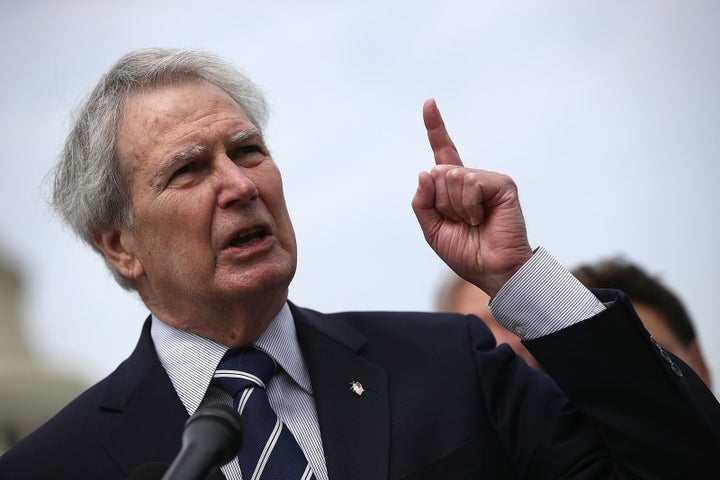
Rep. Walter Jones Jr.

Win Mcnamee / Getty Images

Rep. Walter Jones has been a heterodox Republican for more than a decade, becoming a sharp critic of the Iraq War, then an opponent of some GOP leadership efforts (like last year's tax law), and a supporter of Ron Paul's presidential efforts. He's survived primary challenges before, but challenger Scott Dacey has spent a lot against him this year.

Winner: TBD

6. Ohio's 12th District Republican primary

6. Ohio's 12th District Republican primary

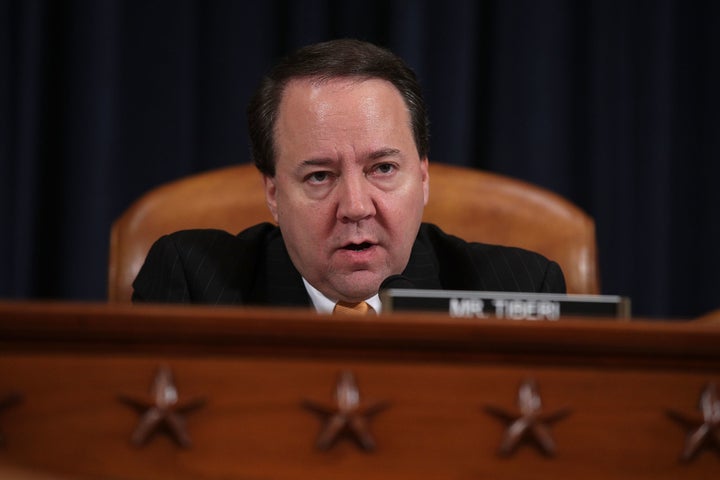
Former Rep. Pat Tiberi

Alex Wong / Getty Images

This is actually a primary for a special election, but it's being held on the same day as primaries in Ohio. Republican Rep. Pat Tiberi retired, and the battle over who his successor should be has been expensive: The Freedom Caucus's Jim Jordan has backed a very pro-Trump candidate, Melanie Leneghan. Tiberi has backed a state senator, Troy Balderson. There are eight other candidates, including Tim Kane, who's running as a pro-trade Republican. Depending on who wins Tuesday, this could become a competitive race in the general, even though it's a fairly Republican district.

Winner: TBD

LINK: Republicans Are Worried A Race-Baiting Coal Baron Is About To Win A Senate Primary

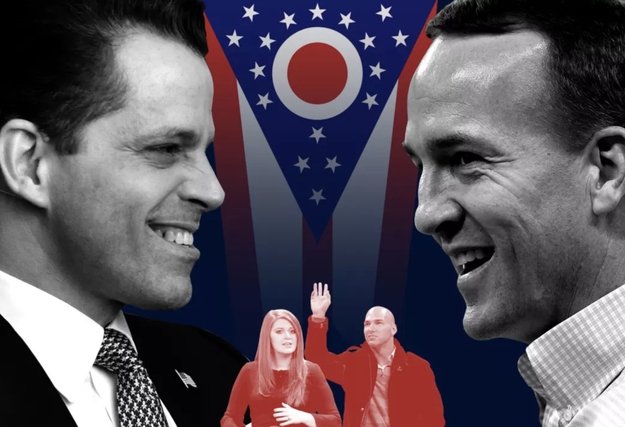
LINK: It's A Former NFL Player Vs. A Donald Trump Acolyte In A Battle For The Soul Of The Republican Party In Ohio

LINK: Ohio Democrats Are Worried That The Wrong Governor's Nominee Could Throw Away Their Shot At Turning Ohio Blue


Source BuzzFeed - Politics https://ift.tt/2I6IzZE

Monday, May 7, 2018

Ian Conyers Wants His Uncle’s Old Seat — And To Be The Face Of Detroit’s Comeback

Instagram: @ianconyers

On a recent weekday evening, Ian Conyers, who is running for his great uncle’s Michigan congressional seat, hosted a fundraiser for about 80 young professionals. The bar top’s fluorescent glow made the room feel like a set-piece on Insecure: Women in cocktail dresses nonchalantly held glasses of Prosecco, and the guys in tailored suits, D’USSE. The candidate rose before too long to speak about a better tomorrow.

Conyers cut an impressive figure, in a tailored suit with a pin identifying him as a state senator. He kept his speech short, then he asked for money, and then people went back to drinking. It was about as typical an political event as you could imagine, except for one small detail: Conyers was in New York.

It’s far from unusual for people running for office to their local area to raise money in New York City. In 2016, New Yorkers gave more than any other city in America, making $66 million in political contributions according to OpenSecrets.org. But Conyers, who is 29, wasn’t in New York for money. His campaign is tapping into his personal network, and a network of people around the country with Motor City roots that Conyers calls the “Detroit diaspora.”

“I know what it’s like for folks around me to look for work and not have an opportunity,” Conyers told the audience that had gathered at Jay-Z’s 40/40 club in midtown Manhattan. “What drew me back home was knowing that folks were going through that, and needed someone with not only the experience but the acumen to create the environment for jobs to flourish.”

Conyers is making this Detroit-specific pitch as he tries to succeed John Conyers Jr. who retired late last year, amid allegations of sexual harassment, after 52 years in Congress and a storied career as a young Civil Rights activist. The Conyers name — and the elder Conyers’ newly complicated legacy — hangs over the race. And the field for Michigan’s 13th Congressional seat is crowded: Detroit City Council President Brenda Jones, state Sen. Coleman Young II, and, perhaps most intriguingly, Rashida Tlaib, a former elected official and working mother who, if elected, would become the first Muslim woman elected to Congress.

The young Conyers left Detroit for Washington, in 2006, to attend Georgetown University on academic and athletic scholarship. He played football and ran track. A member of Kappa Alpha Psi, Conyers worked on former Washington mayor Adrian Fenty’s campaign before working on Barack Obama’s 2012 re-elect. But to hear Conyers tell it, Detroit was always calling, a call he wants more native Detroiters to heed. “The Detroit diaspora is a very real part of the brain drain that’s affecting our city,” he said.

Two years ago, in the special election for the 4th district of the Michigan state senate, Conyers emerged from a crowded field of eight, which included a long-serving member of the Michigan House. (The seat became vacant when its former occupant, Virgil Smith, pled guilty to felony charges related to shooting up his wife's Mercedes-Benz.)

That Conyers is galvanizing energy by telling Detroit’s story is not accidental. (Sometimes when he refers to his “track record,” he is referring to himself as a kind of self-styled ambassador for Detroit outside of the city.) If the 29-year-old state senator is successful, the seat will not just remain black, but also belong to a younger generation. If his name doesn’t represent a change, Conyers clearly feels his youth — in contrast to black political leaders’ resistance to newer blood — does. In private meetings with donors, Conyers likes to say that what separates him from the other candidates is that winning the seat wouldn’t be a “cherry on top” of a long political career. He’s effusive in his praise of Reps. Brenda Lawrence and Debbie Dingell, and says he’ll run cycle after cycle ensuring that as the city comes back, it continues to have strong leadership in Washington.

“The story of what’s happening in Detroit has become national,” Conyers told BuzzFeed News. “A lot of folks who left have tough memories of what happened, and those who stayed have tough memories of not being able to find a job. I want to change that narrative and show folks around the country that you can come back to Detroit and be successful is a huge part of my candidacy and really is, I think, my life’s work, too.”

If his name doesn’t represent a change, Conyers clearly feels his youth — in contrast to black political leaders’ resistance to newer blood — does.

The race has been closely-watched, but primarily because of the candidacy of John Conyers III, son of the former congressman. When the elder Conyers made clear it was his wish for his son succeed him in office — even after Ian Conyers told BuzzFeed News he intended to run if his uncle, mired in scandal, retired — it caused a stir in Detroit and Washington, leading one Michigander on Twitter to quip, “Does he have a niece?”

Ian Conyers is not eager to talk about his cousin or his cousin’s candidacy. He wants to be the only Conyers on the ballot: Last week, he asked the Wayne County Clerk’s office to remove hundreds of signatures collected by John Conyers III from the ballot because they came from voters outside of the district, unregistered voters, or from voters who signed the petition twice. The story was first reported by the Detroit News.

“Everyone’s got a right to seek office,” he said before the formal challenge, answering a question about if he was concerned with the same Conyers on the ballot. “It’s a wide open primary and we’re committed to bringing the quality of services that we brought to our senate district to the entire congressional district.” Pressed again, he said as a representative of a senate district that people know his track record, and that the district didn’t want a “laugh track” in the primary.

“[Ian Conyers] has a puncher’s chance if he can get his cousin off the ballot,” said top Michigan Democratic strategist Joe DiSano, who is bullish on the hold John Conyers Jr. has on the voters of the district. “Otherwise it's a wasted summer for Sen. Conyers.”

Even if John Conyers III does make the ballot, Ian Conyers said he’s confident he can win because he’s already serving. “They know who I am and that’s the most important thing,” he said. “I’ve been committed to our district and there’s no making that up. You can’t come to the 13th District overnight, they either know you or they don’t. Our voters are very smart folks.”

“They know the difference between me and anyone else.”

LINK: Conyers’ Exit Sets Up A “Traffic Jam” Of Potential Candidates — Including His Son Vs. His Nephew

LINK: John Conyers’ Nephew: If The Congressman Resigns Or Retires, I Will Run


Source BuzzFeed - Politics https://ift.tt/2ImxuXB

In A 2018 Democratic Primary, It’s Good To Be A Woman

BuzzFeed News

The video opens with a familiar set-up: Scott Wallace, a Democrat announcing his campaign in Pennsylvania’s 1st Congressional District, speaks in grave tones about Washington’s “chaos and dysfunction.” Clips from recent news footage, pixelated and grayed-out, flash across the screen — Donald Trump in the Oval Office, Donald Trump gesticulating at a podium, Donald Trump walking across the White House lawn, Donald Trump with Paul Ryan and Mitch McConnell.

“We need someone representing us in Washington who will stand up to Donald Trump —”

Wallace appears on camera, seated in a living room, ready to introduce himself to voters.

Except what he says is this: “So I thought, wouldn't it be great if Bucks County Commissioner Diane Marseglia would run for Congress?” The music changes — light and playful, like he’s hatching a perfect plan — and beside him, the would-be woman candidate appears in the living room.

“Me?” Marseglia exclaims. “I was honored. But I told Scott… I thought he should run!”

Wallace’s announcement video, unveiling his candidacy as the next-best option to a woman, reflects a new turn in the era of Trump in Democratic primaries this year: Female candidates, party strategists say, are benefiting from a built-in advantage unlike any previous election cycle. Not only are women running for office in record numbers — they’re securing top spots in crowded primaries against male rivals who are better known and have spent more money.

Democratic operatives see the dynamic as a singular and unprecedented moment in which women represent “change” in the eyes of voters — a view fused by the #MeToo movement, the sitting president, the 2017 Women’s March, and a new cohort of non-traditional, first-time candidates who’ve stepped up to run for office as veterans, doctors, lawyers, and mothers.

“Me, run?” Wallace asks in his introduction video.

“You bet!” says Marseglia, delivering her stamp of approval.

Celinda Lake, a veteran Democratic pollster who casts 2018 as a “real change” in the way voters perceive women, let out a laugh when told about Wallace’s ad. “You used to have to say, ‘Despite the fact that I'm a woman, I'm qualified.’ Now you have to explain why you're not a woman.”

youtube.com

Democratic operatives stress that when it comes to the general election, the dynamic may not play out the same way.

But in primaries across the country, they said, women are outperforming expectations.

In Texas’s 7th Congressional District, Laura Moser, advanced to a May 2018 run-off election alongside Lizzie Pannill Fletcher — defeating two male candidates who outspent her on voter contact. In Virginia’s legislative races, 11 of the 15 seats flipped by Democrats were overturned by women up against male incumbents. And in the crowded primary for Illinois’s 6th Congressional District, a man, Sean Casten, won the race with just 30% — because his rivals, five women, cumulatively collected nearly 70% of the vote. Casten’s victory, as one Democratic strategist put it, was “the exception that proves the rule” in a year when officials have begin to assume that there’s a thirst for women on the ballot. “It’s now a given on conference calls.”

“There is a trend where all things being equal, a woman candidate in a race is receiving a lift,” said Ian Russell, a consultant who served for nearly six years at the Democratic Congressional Campaign Committee, the arm of the party that oversees competitive House races.

“The Republicans know that they have a problem on their hands — and they know that their problem is exacerbated when a well-funded woman nominee is facing off against a Republican, probably a man, who will have to defend what's going on with Trump and Congress,” said Russell, who is working against Wallace, the PA-01 candidate, in a Democratic primary.

When Wallace launched his campaign in January, telling voters about his efforts to recruit Marseglia, another Democratic woman, Rachel Reddick, was already in the race.

Reddick, a Navy veteran running for office for the first time, is not the favorite heading into the May primary against Wallace, a self-described “patriot millionaire” who is outspending her on television in the Philadelphia markets, and could self-fund in a competitive general election against the Republican in the race, Brian Fitzpatrick, whom Democrats hope to unseat.

For groups like EMILY’s List, a national Democratic organization that supports pro-choice women, the race will be a major test case for women running in this year’s remaining primaries, where the Washington-based group has been aggressive in making endorsements. By the end of 2016, EMILY’s List had endorsed 41 women in congressional races. As of this week, six months from the election, the organization has backed 53 House candidates — a number that officials expect to increase steadily as the year goes on. In Texas alone, EMILY’s List endorsed in five primaries: two of the women won outright; the other three progressed to the May runoff.

In California — a crucial state for Democrats in their effort to take control of the House — several women running in key primaries have seen less success: Both women vying for the nomination in the race against Republican incumbent Dana Rohrabacher have dropped out. In two other closely watched races to replace retiring GOP Reps. Darrell Issa and Ed Royce, female Democratic candidates are not expected to make it through the June top-two primary.

If there is an electoral shift happening in 2018, however, operatives agree it’s tied to a larger cultural one. More than 36,000 women have reached out to EMILY’s List about running for office. (The previous record: 920 women in the 2016 cycle.) Female candidates are breastfeeding their children in campaign ads. (“I’m a mom. I’m a woman. And I want to be your next governor,” Maryland gubernatorial candidate Krish Vignarajah says in one.) And researchers have found that the #MeToo movement to end sexual harassment and workplace misconduct is playing out at the ballot box. (Half of millennial women say it will make them more likely to vote for female candidates, according to an April study by the Barbara Lee Family Foundation.)

youtube.com

“Everything from the Women's March to #MeToo and #TimesUp, to watching the incredibly powerful women gymnasts call out Dr. Larry Nassar, means what what we’re seeing is women stand up and demand to be heard,” said Christina Reynolds, who serves as the group’s vice president of communications. “And women are supporting each other in that effort.”

For Lake, the longtime Democratic pollster, the potential advantages for Democratic women come down to one key shift: “In 2016, women were much less likely to be perceived as change,” she said. “People, particularly younger women, said, ‘We’ve got women. We’ve got Sarah Palin. We’ve got Hillary Clinton. That’s not change, and in fact, they haven’t changed things enough.”

“In 2016, women were almost status quo,” Lake said. “In 2018, women are change.”

LINK: The Preeminent Fundraising Group For Democratic Women Is Stuck In The Middle Of The Party’s Wars

LINK: EMILY's List Expands After 16,000 Women Reach Out About Running For Office


Source BuzzFeed - Politics https://ift.tt/2rqIklJ

Friday, May 4, 2018

Nobody Knows Who’s Going To Win Ohio’s Kucinich Vs. Cordray Primary

Saul Loeb / AFP / Getty Images

Ohio’s tighter-than-expected Democratic gubernatorial primary is still tighter-than-expected just days before voters head to the polls.

The race between Richard Cordray, the former head of the Consumer Financial Protection Board, and Dennis Kucinich, the firebrand progressive and former congressman who’s pitched himself as a progressive Donald Trump, has garnered national attention this spring — as yet another example of Democrats deciding what the party should prioritize.

How close it is depends on which poll you’re looking at.

A late March poll from SurveyUSA showed the candidates tied with 21% each, among 509 likely voters. A mid-April poll from the 1984 Society showed Cordray in the lead with 27% of the vote and Kucinich with 13% among 500 likely Democratic primary voters. The latest polling — of 333 likely Democratic voters from the Community Research Institute at Baldwin Wallace University — gives Richard Cordray 31% to Kucinich’s 15%, but 41% of voters are still undecided just days before Election Day.

That one remained constant across all of the polling: an unusually large pool of undecided voters, leaving the race up in the air.

This is not for want of persuasion efforts from of the party’s most prominent figures and groups that have thrown their support behind the two candidates. Sen. Elizabeth Warren endorsed and stumped for Richard Cordray, who also pulled endorsements from a sizeable portion of Ohio’s unions, while the Sanders-aligned group Our Revolution endorsed Kucinich (though not Sanders himself), along with the National Nurses Organizing Committee, and Rep. Tulsi Gabbard (who previously accompanied Kucinich on a much-scrutinized trip to Syria).

“Now, this election could be very close,” Gabbard tells Ohio voters in her endorsement video. “Every single vote matters.”

youtube.com

Tom Sutton, the director of the Community Research Institute, agrees.

“There’s only about a 15-point spread between Cordray and Kucinich,” Sutton told BuzzFeed News over a phone call. “It’s possible that you could see an upset by Kucinich if progressives turnout in the Cuyahoga County area.”

“Primary voters here see Cordray as the safe choice, but are attracted to Kucinich’s message, but they’re concerned that Kucinich brings a bit a of baggage,” said Sutton.

The primary has seen the two candidates attack each other on everything from NRA records to tax filings. The Kucinich campaign has regularly reminded voters that in 2010, Cordray had an A rating from the NRA while the the Cordray campaign has talked about Kucinich’s trips to Syria to visit Bashar al-Assad and his paid speeches for pro-Assad groups (which Kucinich says he’s returning the $20,000 speaking fee).

The race has left some Democrats in the state nervous that if Kucinich can inch out a victory in the primary, it would greatly reduce the party’s chances of winning the general election. Others have criticized Cordray around this same line of electability — given his campaign pitch has practically been “a safe pick, who’s looked out for Ohioans as the CFPB director” — and worry he doesn’t have enough flare to turn voters out.

“Maybe Richard Cordray is boring,” said Sandy Theis, the executive director of ProgressOhio. “But you know what? Maybe after electing Donald Trump boring is good.”

LINK: A New Group Is Attacking An Ohio Democrat From The Left. A Republican Is Behind The Group.

LINK: Ohio Democrats Are Worried That The Wrong Governor's Nominee Could Throw Away Their Shot At Turning Ohio Blue


Source BuzzFeed - Politics https://ift.tt/2FIlri9

Hyperloop for cargo aims to deliver at over 600 mph

A delivery revolution may be on the horizon, if a recent announcement by Virgin Hyperloop One and DP World comes to fruition.


Source CNN.com - RSS Channel - App Tech Section https://ift.tt/2rjFxdf

It seems like every week we're finding new uses for drones. Here's some of the most interesting out there today.


Source CNN.com - RSS Channel - App Tech Section https://ift.tt/2rknUd7

Thursday, May 3, 2018

A New Book On Hillary Clinton Has Reporters Angry At The New York Times

Brendan Smialowski / AFP / Getty Images

At a book party on Tuesday evening, reporters and editors at the New York Times toasted the publication of Chasing Hillary, a rollicking new memoir by Amy Chozick, who led the paper’s coverage of Hillary Clinton’s ill-fated presidential campaign.

But as the Times seeks to move on from 2016, the book has reopened a sensitive wound inside a newsroom fiercely protective of its reputation. Among colleagues, the memoir has resulted in some embarrassment and hurt feelings, particularly among members of the political team that Chozick’s account has exposed to criticism, according to sources at the paper.

At issue, for some of Chozick’s colleagues, is that the book reflects on office politics as much as national politics. The ego boost of nabbing a page-one byline and the joy of pleasing your editor is depicted as the chief goal of a Times reporter — not striving for truth or holding power to account. Private comments from coworkers, in the heat of deadline pressure, appear on the record. Chozick wonders often whether Clinton likes her. And the paper’s perceived obsession with the contents of the campaign’s hacked emails is cast, by the ultimate Times-Clinton insider, as over the top.

Those juicy revelations caught other Times reporters by surprise and ran counter to the paper’s traditional culture that seeks to keep internal drama in the family. Multiple Times staffers told BuzzFeed News, or have relayed to people close to them, that they felt a sense of betrayal, though the fact that they would say so behind Chozick’s back highlights one of the undercurrents in the book: The New York Times is a snakepit.

“I haven't heard any complaints,” Chozick told BuzzFeed News. “I love my newspaper, was honored to have the first excerpt run in Sunday Review, and have been touched by the support my colleagues and editors have shown for the book.”

Amy Chozick

HarperCollins

"Amy is a talented journalist and a wonderful colleague,” New York Times executive editor Dean Baquet said in a statement. “She was not privy to every discussion we had about coverage and I don't agree with some assessments of our coverage in her book but I thoroughly enjoyed reading it."

Interspersed with a chronicle of her upbringing and life on the campaign trail in 2008 and 2016, Chozick describes maneuvering to get her stories on the Times’ front page over fellow reporters. (“I no longer had the energy to yell at my editors when Pat Healy or Jonathan Martin got to write the daily A1 stories.”) She lays bare how unprepared the paper was for Trump. (“We have enough candidates to cover. Let the TV writers do it,” one editor told her early in the cycle.) And Chozick includes details ribbing colleagues. (“[Mike Schmidt] kept yelling into the phone, ‘They've got [Anthony] Weiner by the balls!’ until I finally g-chatted him that he had to stop saying that.”)

Even Chozick’s plaudits are enough to make any reporter feel awkward. “Maggie Haberman sat near the center of the main table,” Chozick writes in a paragraph celebrating the reporter’s arrival at the Times from Politico. “She didn’t have to work the room. Everyone came up to her.” Chozick praises Haberman as “another badass woman” with whom she wants to be friends, but also notes that Clinton aides sought to undermine Chozick by fighting back on tough stories with the line, “Maggie would never do this to us.” Regarding reporter Patrick Healy, Chozick writes, “Trump favored him, calling him ‘smart Irish.’” (Haberman declined to comment, and Schmidt and Healy, who is now the Times politics editor, did not return requests for comment.)

Carolyn Ryan, the Times’s then-political editor and Chozick’s main patron, comes off as supremely talented but also steely and manipulative. “There was nothing like the warmth of Carolyn’s sun when it shined on you,” Chozick writes. “But when she went dark — casting her light on another colleague or hardly looking away from her screen in disappointment that we hadn’t brought her that killer quote or nailed down that delicious detail — life could be a cold, desperate place.”

Ryan, who Chozick thanks in the acknowledgments section for her support and coming up with the book’s title, did not return a request for comment. Now an assistant editor on the Times masthead, Ryan attended Chozick’s book party this week with other high-ranking Times editors and reporters like Healy, Michael Barbaro, Rebecca Blumenstein, Susanne Craig, and Nick Corasaniti.

To be sure, Chozick has defenders who applaud her sharp elbows, bold writing, and critical look into the gender dynamics at play inside the paper. (“I got an email from another (male) editor saying, ‘Don’t use this quote, it’s going in Pat’s story.’”)

And when it comes to delving into the hacked Clinton campaign emails, Chozick airs publicly what some Times reporters have shared privately. “I can’t explain it exactly except to compare it to a fever that spread through every newsroom and made us all salivate over the tiniest morsels,” Chozick writes as she grapples with her ability to set aside ethical considerations. “I chose the byline. I always chose the byline.”

“I do like the idea of someone not being precious about the paper’s coverage and openly being like, ‘Yeah, that was fucked up,’” said one Times reporter.

Chozick is also not the only Times staffer to raise questions about the paper’s email coverage. A story in 2016 described how major publications, including the Times, became “a de facto instrument of Russian intelligence.” David Leonhardt last year described in an opinion piece how “despite the mundane quality of the Clinton emails, the media covered them as a profound revelation.”

Still, colleagues were surprised to learn about reservations from a person with the actual byline on Clinton email stories, and thought the book exposes the Times to even more criticism on a story critics have hounded them on for years. Though the Times has opened up more — a forthcoming Showtime documentary delves into the paper’s political coverage — the outlet is still instinctually old-fashioned when it comes to self-criticism.

“Our coverage is under a microscope from politicians, from other media outlets, even internally, and we’ve never gotten comfortable with talking about ourselves,” said one Times reporter.

Nick Confessore, who wrote some email-related stories with Chozick, defended the coverage on Twitter. “I think on balance the decision to publish stories about the emails was correct,” he tweeted.

Some of Chozick’s colleagues were only loosely aware that she was working on a book or were expecting a traditional campaign story with little newsroom-insider coverage. And her internal critics have fixated on why she grants male Clinton aides nicknames like Brown Loafers Guy, Hired Gun Guy, and Original Guy — identifiable to those familiar with the campaign — but uses full names for other reporters and Clinton’s female aides. In the book, Chozick describes the decision to group the male aides as a literary choice, but some Times reporters felt it protected Clinton staffers in a way it did not protect her coworkers.

Though it’s not as though former Clinton aides have been rapturously praising the book, and Chozick spends much of the account documenting her back-and-forth relationship with the Clinton campaign (and sexist taunting from “The Guys”). Chelsea Clinton, for her part, disputed on Twitter facts from Chasing Hillary: that she popped Champagne on election night or had received hair keratin treatment.

This week, Chasing Hillary debuted at No. 9 on the New York Times combined print and e-book best-seller list. Apart from a biting Washington Post review that bounced around the g-chats and DMs of political reporters, Chozick’s book has generated positive buzz and prime placement with excerpts in the Times’ Weekend Review section and Vanity Fair. In a review for the Times, Charlotte Alter called the bookDevil Wears Prada meets Boys on the Bus” and Entertainment Weekly wrote that "Chasing Hillary succeeds because, unlike so many recent tell-alls which have purported to shed light, Chozick relishes the incendiary.”


Source BuzzFeed - Politics https://ift.tt/2I6uiiT